Planting and Caring for Peppermint
Posted on 21-04-2024 01:39 am
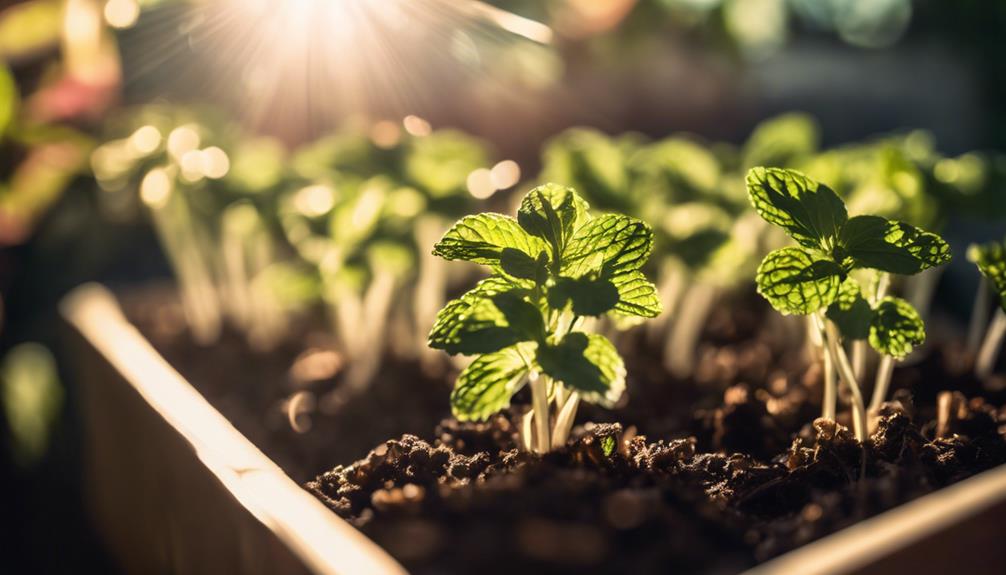
Planting and Caring for Peppermint
To plant and care for peppermint successfully, start by choosing a suitable variety like Chocolate Mint or Citrata based on your needs. Prepare nutrient-rich soil in partially shaded areas with good drainage. Water regularly to keep the soil moist without overdoing it to avoid root rot. Prune the plant often to promote bushier growth, ensuring to not cut woody stems. During autumn, cut back the plant and mulch for winter protection. Harvest before the first frost for the best flavor. Following these steps will help you cultivate healthy and flavorful peppermint plants. Further details can help you enhance your peppermint gardening experience.
Key Takeaways
- Choose peppermint variety based on culinary or medicinal needs for desired flavor.
- Prepare soil with nutrients, choose partially shaded spots, and use root barriers for successful growth.
- Water regularly, avoid overwatering, use mulch, and watch for watering signs to maintain plant health.
- Regularly prune for bushier foliage, adequate air circulation, and full sun exposure.
- Cut back plants for winter dormancy, mulch for root protection, harvest before frost, and divide to prevent overcrowding.
Planting Peppermint Varieties
When planting peppermint varieties, choose the one that best suits your culinary or medicinal needs for a invigorating and aromatic experience. Peppermint plants are a delightful addition to any herb garden, offering a invigorating aroma and taste to your dishes or teas. With varieties like Chocolate Mint, Citrata, and Lavender Mint, each type brings a unique flavor profile that can elevate your recipes. If you enjoy citrus undertones, consider Orange Mint or Lime Mint for a zesty twist in your culinary creations.
Peppermint plants are versatile and can be cultivated for both culinary purposes and medicinal benefits. By selecting the right peppermint variety, you can enhance the taste of your dishes while also reaping the potential health advantages associated with this herb. Whether you're looking to add a minty kick to your salads or brew a soothing cup of peppermint tea, choosing the appropriate peppermint variety is key to achieving the desired flavor and aroma in your herb garden.
Soil Preparation and Planting
To guarantee successful growth of your peppermint plants, start by preparing the soil and planting them in appropriate locations with the right conditions for best development. Peppermint thrives in fresh, slightly moist, and nutrient-rich soils.
Choose partially shaded spots for planting, as most varieties of peppermint prefer this environment. When planting, consider using flower beds with a root barrier to control spreading, or opt for pots if you prefer. Peppermint can do well in regular garden soil, but make sure it's well-draining to prevent waterlogging.
For some varieties, covering the soil with brushwood in winter can provide added protection. Ensure that the area you choose receives partial shade throughout the day to promote healthy growth. By planting your peppermint in the right soil and location, you set the foundation for a thriving plant that will reward you with its aromatic leaves.
Watering and Maintenance Tips
For optimal growth of your peppermint plants, make sure to maintain consistent soil moisture levels and perform regular maintenance tasks. Water your peppermint plants regularly, especially during hot weather, to keep the soil moist but avoid overwatering to prevent root rot. Mulching around the plants can help retain soil moisture and suppress weed growth, guaranteeing your peppermint thrives with lush green leaves.
Watering and Maintenance Tips:
| Watering Tips | Maintenance Tips |
|---|---|
| Water regularly to keep soil moist | Perform regular pruning |
| Avoid overwatering to prevent root rot | Divide plants every 2-3 years |
| Use mulch to retain soil moisture | Encourage bushier growth |
| Ensure lush green leaves | Prevent overcrowding |
| Watch for signs of under-watering or over-watering | Monitor plant health closely |
Pruning for Healthy Growth
To maintain healthy growth and encourage bushier foliage for your peppermint plants, regular pruning is essential. Pruning helps promote new growth by cutting back about one-third of the stems, making sure the plant remains vigorous.
When pruning your peppermint, make sure to avoid cutting into woody stems to prevent any damage. By trimming your peppermint regularly throughout the growing season, you can keep the plant productive and prevent overcrowding, which can hinder growth.
Adequate air circulation around the plant is important for its overall health and productivity. Trim the leaves of your peppermint plants to maintain their shape and encourage the growth of new, healthy foliage.
Remember to provide your peppermint with full sun exposure to support its growth and ensure the leaves are flavorful. Pruning is a simple yet effective way to care for your peppermint plants, promoting their well-being and enhancing your harvest.
Autumn Care and Harvesting
Prepare your peppermint plants for winter dormancy by cutting them back to ground level in autumn. This step helps the plant conserve energy and guarantees a healthier regrowth in the following season.
Additionally, consider the following autumn care tips:
-
Mulch: Surround the base of your peppermint plant with mulch to protect its roots from the harsh cold and help retain moisture during the winter months. This simple act can make a significant difference in the plant's survival and growth come spring.
-
Harvesting: Before the first frost sets in, harvest your peppermint leaves for the best flavor and aroma. Pick the leaves carefully, ensuring you leave some on the plant for continued growth. Harvesting at the right time enhances the taste and fragrance of the leaves.
-
Divide and Replant: Autumn is an ideal time to divide and replant your peppermint to prevent overcrowding and encourage healthy growth in the upcoming season. By dividing the plant, you can also propagate new peppermint plants for your garden.
Culinary Uses of Peppermint Leaves
Peppermint leaves infuse a revitalizing and invigorating flavor into a variety of culinary creations, elevating dishes with their aromatic essence. Their culinary uses are diverse and versatile.
You can add chopped peppermint leaves to salads, desserts, and beverages for a rejuvenating kick. In teas, these leaves are valued for their soothing and digestive properties, making them a perfect addition to your daily cup. For a burst of rejuvenation, mix chopped peppermint leaves with yogurt, fruit salads, or ice cream.
Their minty profile complements dishes like lamb, chocolate, and peas, enhancing the overall flavors. The essential oils extracted from peppermint leaves, scientifically known as piperita, are popular in baking, confectionery, and cocktails, providing a delightful minty twist to your creations.
Experiment with incorporating peppermint leaves into your recipes to discover new dimensions of flavor and aroma.
Benefits and Uses of Peppermint
As you explore the benefits and uses of peppermint, you'll uncover its wide-ranging applications in both health and everyday life. Peppermint offers numerous advantages that make it a valuable addition to your garden and daily routines:
-
Digestive Aid: Peppermint contains menthol, which can help soothe digestive issues and alleviate stomach discomfort. Whether brewed in a tea or ingested in other forms, peppermint is known for its digestive benefits.
-
Oral Health: The antimicrobial properties of peppermint freshen breath and support oral hygiene. Chewing on fresh peppermint leaves or using peppermint-infused products can contribute to a healthier mouth.
-
Aromatherapy and Focus: Peppermint oil is a popular choice in aromatherapy due to its invigorating scent. It can boost energy levels, enhance focus, and promote mental clarity. Simply diffuse the oil or apply it topically for these benefits.
In addition to these uses, peppermint can also thrive in various growing conditions and add an invigorating touch to dishes like mint sauce.
Conclusion
To summarize, planting and caring for peppermint can be a rewarding and aromatic experience.
By following the proper steps for soil preparation, watering, maintenance, and pruning, you can guarantee your peppermint plants thrive and provide you with an abundance of leaves for culinary and medicinal uses.
Remember to harvest your peppermint in autumn for the freshest flavor.
With a little care and attention, your peppermint garden will flourish and bring joy to your senses.
Search
Categories
Recent Posts
Follow US
https://sites.google.com/view/gardeningfire
https://www.youtube.com/@Gardening-Fire
https://twitter.com/gardeningfire
https://www.instagram.com/gardeningfire/
https://www.facebook.com/GardeningFire/
https://www.tumblr.com/gardeningfire
https://gardeningfire.blogspot.com/
https://gardeningfire.wordpress.com/
https://www.pinterest.com/gardeningfire/
https://soundcloud.com/gardeningfire/