How To Grow Peppermint Outdoors
Posted on 22-04-2024 10:31 am
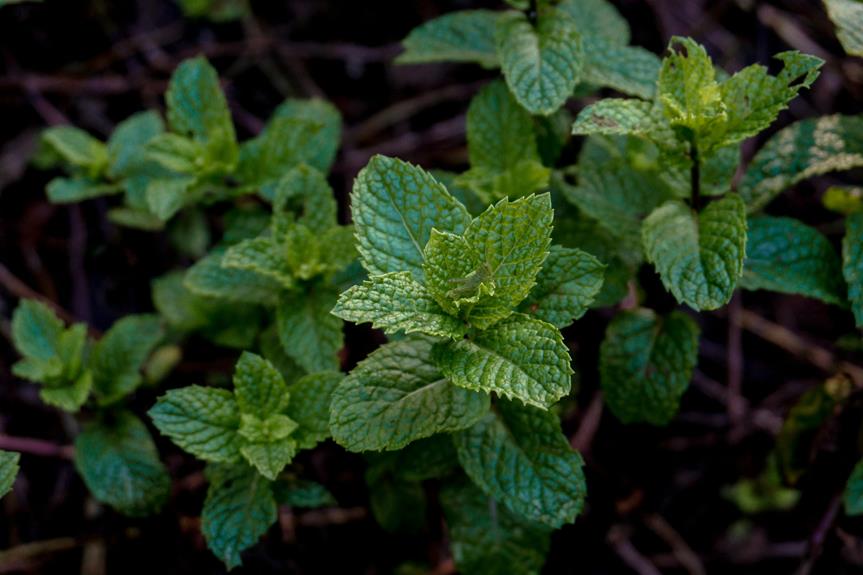
How To Grow Peppermint Outdoors
To cultivate peppermint outdoors, select a sunny spot with 5 hours of sunlight. Use well-draining soil to prevent water buildup. Test soil fertility before planting, adjusting pH if necessary. Plant peppermint cuttings or seedlings 18-24 inches apart. Water regularly, allowing soil to dry slightly between waterings. Trim the plant back to promote bushier growth, enhancing airflow. Consider using containers to manage the plant's spread. Harvest in the morning for optimal flavor, trimming back stems for new growth. Maintain soil moisture and sunlight for longevity. Following these steps guarantees healthy peppermint plants in your outdoor garden.
Key Takeaways
- Choose a sunny location with 5 hours of sun daily.
- Plant in well-draining, nutrient-rich soil for optimal growth.
- Water deeply when the top inch of soil is dry.
- Prune regularly to maintain bushier growth and vigor.
- Harvest leaves in the morning and avoid over-harvesting for longevity.
Choosing the Right Location
When selecting a fitting location for growing peppermint outdoors, prioritize ideal sunlight and well-draining soil. Mint plants, like peppermint, thrive in full sun, although they can tolerate some shade. To guarantee successful growth, choose a spot in your garden that receives at least 5 hours of direct sunlight each day. This will help the mint plant flourish and produce abundant leaves for you to enjoy.
Additionally, peppermint requires well-draining soil to prevent waterlogging, which can lead to root rot and other issues. Consider planting your peppermint in a garden bed with soil that drains well, allowing excess water to flow away from the roots. By providing the right amount of sunlight and ensuring the soil is well-draining, you're setting the stage for a healthy and thriving peppermint plant in your garden.
Preparing the Soil
To guarantee ideal growth for your peppermint plants, focus on preparing the soil by creating a well-draining and nutrient-rich environment. Start by testing the soil to assess its fertility levels. If needed, amend the soil with organic matter such as compost or aged manure to enhance its structure and nutrient content. Peppermint thrives in soil with a pH of 6.5-7.0, so make sure the pH levels are suitable for planting mint.
Tilling the soil to a depth of 8-10 inches is important in loosening compacted soil, allowing for better root penetration. This process creates a favorable environment for the peppermint roots to spread and access essential nutrients. Avoid planting mint in soil that tends to retain water excessively, as this can lead to root rot issues.
Planting Peppermint Cuttings or Seedlings
After preparing the soil for best growth, the next step is to plant your peppermint cuttings or seedlings in well-draining, nutrient-rich soil.
To plant mint successfully in your herb garden, choose a sunny spot that receives at least 5 hours of direct sunlight daily. Dig a small hole slightly larger than the root ball of your cutting or seedling. Place the peppermint plant in the hole and gently cover the roots with soil, making sure it sits at the same depth as it was in the pot. Space multiple mint plants 18-24 inches apart to accommodate their spreading nature as they grow.
Remember to provide consistent moisture to your mint plants by watering regularly, keeping the soil moist but not waterlogged. With well-draining soil, your mint will thrive and become a delightful addition to your outdoor herb garden.
Now that you've planted your mint, the next step is to make sure it receives proper watering to support healthy growth.
Watering Requirements
For successful growth of your outdoor peppermint plants, ensuring consistent moisture levels is essential. Peppermint plants thrive in well-draining soil that's kept consistently moist. Water your mint when the top inch of soil feels dry to the touch, ensuring it's damp but not waterlogged to prevent root rot.
Mulching around your peppermint plants can help retain soil moisture and reduce water evaporation, aiding in maintaining the necessary moisture levels. When watering, it's best to water deeply and infrequently to encourage deep root growth in your outdoor peppermint plants.
This method promotes strong, healthy roots that will support the vigorous growth of your mint. By following these watering requirements, you can provide the ideal environment for your peppermint plants to flourish and thrive in your outdoor garden.
Pruning for Bushier Growth
Pruning your peppermint plants promotes bushier growth by encouraging new branching from the trimmed stems. To achieve this, consider cutting back your peppermint to a pair of leaves. This practice helps redirect the plant's energy towards developing a denser structure. Regular pruning is vital to guarantee your peppermint from becoming leggy and encourages a fuller, more compact growth habit. Remember to prune your peppermint before it flowers to maintain its vigor and prevent excessive vertical growth.
When trimming your peppermint, focus on reducing the stems to a reasonable height. Doing so allows for better airflow and light penetration, which promotes overall plant health. By keeping your peppermint well-pruned, you can make sure that it remains bushy and vibrant. This simple maintenance task not only enhances the appearance of your peppermint but also supports its growth and productivity. So, grab your gardening shears and start shaping your peppermint for healthier and bushier foliage.
Using Containers for Control
Are you looking for a practical solution to control the spread of peppermint roots and prevent them from invading your garden beds?
Using containers for growing peppermint is an essential way to exercise control over its growth. Container-grown mint is a popular choice among gardeners as it helps in managing the plant effectively. By planting peppermint in containers, you can restrict the growth of its roots, keeping them contained within a specific area.
This method is especially beneficial for individuals with limited garden space. Containers provide a confined environment for peppermint to thrive without the risk of it spreading uncontrollably and overtaking other plants in your garden.
The containment offered by containers is vital in preventing peppermint from becoming invasive and causing problems in your outdoor space. So, consider using containers for growing peppermint if you want to maintain control over its growth and prevent it from invading your garden beds.
Harvesting Peppermint
When harvesting peppermint, make sure to pick the leaves in the morning to capture the best flavor and aroma. Cutting peppermint stems back to a pair of leaves encourages new growth and branching, promoting a bushier plant.
It's crucial to avoid harvesting more than 1/3 of the peppermint plant at a time to maintain its health and vitality. To preserve harvested peppermint leaves for long-term storage, consider freeze-drying them.
Regularly harvesting peppermint leaves not only guarantees you have a fresh supply for culinary uses but also promotes ideal growth and continuous production. By harvesting consistently, you help the plant focus its energy on producing new leaves and expanding, leading to a healthier and more prolific peppermint plant.
Ensuring Plant Health and Longevity
To safeguard the health and longevity of your outdoor peppermint plant, prioritize providing it with the essential elements of moist, well-draining soil and ample sunlight. Peppermint, being an herb, requires care to thrive. Guarantee the soil is moist but well-draining to prevent waterlogging, which can lead to root rot.
Growing mint plants like peppermint benefit from at least 5 hours of direct sunlight daily to maintain their vigor and promote healthy leaf growth. Consistent moisture levels are vital for preventing stress and maintaining the overall health of your peppermint plant.
Additionally, make sure the plant receives proper nutrients, especially high nitrogen during its growth stages, to support its longevity and productivity. Harvest mint leaves regularly to encourage new growth and to keep the plant healthy. Consider moving your peppermint indoors after the first frost to extend its harvest and overall lifespan, ensuring you enjoy fresh mint for longer.
Conclusion
To sum up, growing peppermint outdoors requires proper location, soil preparation, and watering. Pruning for bushier growth and using containers can help control the plant's spread.
Harvesting peppermint at the right time guarantees its health and longevity. Remember, just like a well-tended garden, with patience and care, your peppermint will flourish and thrive, adding a touch of freshness and flavor to your outdoor space.
Search
Categories
Recent Posts
Follow US
https://sites.google.com/view/gardeningfire
https://www.youtube.com/@Gardening-Fire
https://twitter.com/gardeningfire
https://www.instagram.com/gardeningfire/
https://www.facebook.com/GardeningFire/
https://www.tumblr.com/gardeningfire
https://gardeningfire.blogspot.com/
https://gardeningfire.wordpress.com/
https://www.pinterest.com/gardeningfire/
https://soundcloud.com/gardeningfire/