How To Grow Peppermint From Cutting
posted on 23-04-2024 09:56 am
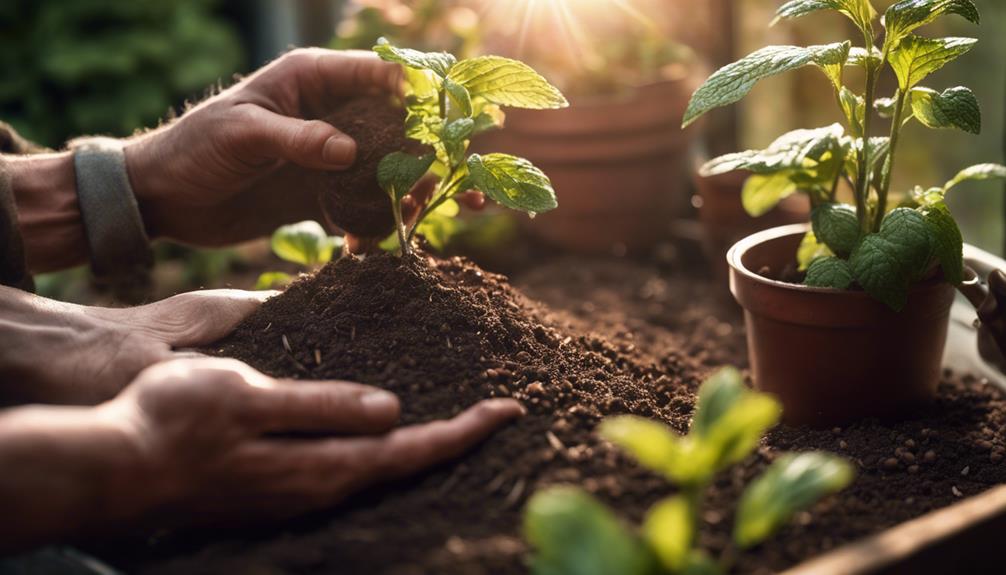
How To Grow Peppermint From Cutting
To grow peppermint from cuttings, choose a healthy stem with 4-6 inches in length, vibrant green color, and firm texture. Cut below a leaf node at a 45-degree angle, removing lower leaves. Dip in rooting hormone for added success. Plant in moist potting soil, covering nodes and keeping consistently moist. Place in indirect sunlight, ensuring stable conditions. Watch for new growth and root development. When roots form, transplant into a 12-inch pot with good drainage. Care for them with adequate water, sunlight, and regular monitoring. Follow these steps for growing peppermint successfully.
Key Takeaways
- Select a healthy peppermint stem with 4-6 inches length, vibrant green color, and firm texture.
- Cut below a leaf node at a 45-degree angle, remove lower leaves, and plant in moist potting soil.
- Consider using rooting hormone to stimulate root growth and enhance success rate of propagation.
- Provide indirect sunlight to establish roots, prevent leaf burn, and maintain stable light conditions.
- Monitor growth, root development, humidity, and adjust care as needed; transplant into larger containers for continued growth.
Selecting Healthy Peppermint Stem
When choosing a healthy peppermint stem for propagation, make sure it's about 4-6 inches long and has at least 3-4 pairs of leaves. Selecting the right stem is important for successful mint plant growth.
Look for a peppermint stem that's vibrant green in color and has a firm texture. These characteristics indicate good health and vigor in the plant, setting the stage for successful propagation.
Avoid stems that appear wilted, yellowing, or show any signs of stress. Opt for a stem that's free from disease or pest damage, as this can hinder the growth process.
Cutting and Preparing the Stem
To propagate peppermint successfully, begin by selecting a healthy stem that's 4-6 inches long. When cutting the stem, make sure to do so just below a leaf node at a 45-degree angle. This angle promotes root development, which is essential for the cutting to grow into a new plant. Removing the lower leaves from the stem is important as it exposes nodes that are vital for new root growth. These nodes will help the cutting establish a strong root system in its new environment.
After preparing the stem, you can decide whether to dip it in rooting hormone to enhance root formation, though this step is optional. Once the cutting is ready, plant it in moist potting soil. Make sure that the soil remains consistently moist to support root development. By keeping the soil adequately watered, you provide the cutting with the best conditions to grow into a healthy peppermint plant in your garden.
Applying Rooting Hormone (Optional)
Consider using rooting hormone to potentially accelerate the rooting process for your peppermint cuttings. While it's optional, many gardeners opt to use rooting hormone to stimulate root growth and enhance the success rate of propagation. This common practice in plant propagation can lead to more robust root development, giving your new mint plants a better start.
To apply rooting hormone, start by selecting a fresh, healthy cutting from your peppermint plant. Dip the cut end of the cutting into the rooting hormone, ensuring it's evenly coated. Shake off any excess powder before placing the cutting into a pot filled with moist potting soil. Gently press the soil around the cutting to secure it in place.
Planting in Moist Potting Soil
For best root development, make sure the peppermint cuttings are planted in moist potting soil. Choose a well-draining potting soil to avoid waterlogged conditions that can harm the mint cuttings.
When planting, guarantee that the nodes of the cuttings are covered with soil at an appropriate depth to support their growth. It's vital to keep the potting soil consistently moist but not waterlogged to aid in the rooting process of the mint cuttings.
Select a pot with good drainage to prevent root rot and promote healthy growth for your mint plants. By providing the right environment with moist soil, proper depth, and good drainage, you're setting the stage for successful growth of your peppermint cuttings.
Providing Indirect Sunlight
After planting your peppermint cuttings in moist potting soil, make sure they receive indirect sunlight to prevent leaf burn and promote successful rooting.
Here's how to make certain your peppermint cuttings get the right light:
-
Choose the Right Location: Place your peppermint cuttings in an area that receives indirect sunlight. Direct sunlight can be too important and may stress the cuttings, affecting their ability to root successfully.
-
Utilize Filtered Light: Position your cuttings near a bright window or in a spot with filtered light. This will provide the necessary light for healthy growth without the risk of leaf burn.
-
Ensure Consistent Sunlight: Consistent indirect sunlight is essential for your peppermint cuttings to establish roots and thrive. Keep an eye on the light conditions to maintain a stable environment for your plants to grow effectively.
Monitoring Growth and Root Development
To track the progress of your peppermint cuttings, regularly observe for new leaf growth and inspect the base for root development. New leaf development is an important sign that your mint cuttings are establishing themselves.
After a few weeks, check for root formation at the base of the cuttings. It's vital to maintain a consistent humidity level around the peppermint cuttings to support healthy root growth. Keep an eye out for any wilting or yellowing leaves, as these may indicate issues with root development.
By monitoring the growth of your peppermint cuttings and tracking their progress, you can make sure that they're on the right path for successful root growth. Remember, healthy roots are key to the overall health of your plants.
Stay vigilant in observing any changes and adjust care as needed to promote strong root development.
Transplanting Into Larger Containers
Consider selecting a spacious container with adequate drainage when it's time to transplant your peppermint cuttings into larger pots. Here's what you need to do:
-
Choose the Right Pot Size: Opt for a container that's at least 12 inches in diameter to allow ample space for the developing root system of your peppermint cuttings.
-
Guarantee Good Drainage: Select a pot with good drainage holes at the bottom to prevent waterlogging, which can be detrimental to the plants.
-
Use Well-Draining Potting Mix: Fill the larger container with a well-draining potting mix to provide the ideal balance of moisture for your transplanted peppermint cuttings.
After gently removing the rooted cuttings from their initial container, carefully place them in the center of the new, larger pot. Water the transplanted peppermint cuttings thoroughly to help them settle into their new container. This will support their growth and ensure they establish well in their new home.
Continuing Care for Rooted Cuttings
When tending to your rooted peppermint cuttings, maintain consistent moisture and ample sunlight to promote healthy root development and growth. After the mint cuttings have successfully rooted, it's time to transfer them to individual pots filled with well-draining soil.
Guarantee the soil remains consistently moist but not waterlogged to support the root system. Place the potted mint cuttings in a sunny location that receives indirect light for best growth. Keep a close eye on the plants, monitoring them for any signs of stress or wilting. Adjust the care provided accordingly to meet their needs.
As the peppermint plants mature, continue regular maintenance by watering them appropriately, pruning any overgrowth, and fertilizing to encourage healthy growth. By following these steps and providing the necessary care, you can enjoy a thriving peppermint plant that won't only enhance your garden but also provide you with fresh, aromatic leaves for various purposes.
Conclusion
Congratulations on successfully growing peppermint from cuttings!
Remember to continue providing care for your rooted cuttings by transplanting them into larger containers and making sure they receive adequate sunlight and water.
Keep monitoring their growth and root development to guarantee they thrive.
With patience and dedication, you'll soon have a bountiful supply of fresh peppermint to enjoy in your garden or kitchen.
Search
Categories
Recent Posts
Follow US
https://sites.google.com/view/gardeningfire
https://www.youtube.com/@Gardening-Fire
https://twitter.com/gardeningfire
https://www.instagram.com/gardeningfire/
https://www.facebook.com/GardeningFire/
https://www.tumblr.com/gardeningfire
https://gardeningfire.blogspot.com/
https://gardeningfire.wordpress.com/
https://www.pinterest.com/gardeningfire/
https://soundcloud.com/gardeningfire/