Growing Peppermint Hydroponically
posted on 24-04-2024 11:39 am
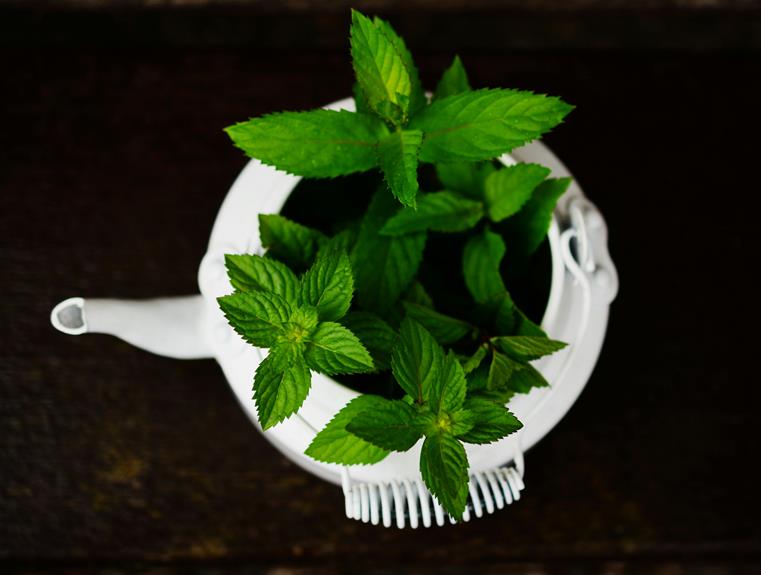
Growing Peppermint Hydroponically
To grow peppermint hydroponically, gather mint seeds, a hydroponic system, grow lights, a temperature controller, and nutrients with a specific EC range. Maintain pH between 6.0-7.0, provide 14-16 hours of light daily, keep temperatures at 65-75°F, and space plants 9-12 inches apart. Use a balanced nutrient solution with nitrogen, phosphorus, potassium, and micronutrients, adjusting pH levels regularly. When you planting peppermint, cut stems above a leaf node using sharp scissors, avoiding cutting more than one-third of the plant. Troubleshoot issues by checking leaf color, inspecting roots for rot, adjusting pH, monitoring watering, and combating pests. Enjoy healthier, aromatic plants with year-round harvests.
Key Takeaways
- Hydroponic systems provide controlled nutrient delivery for optimal peppermint growth.
- Maintain pH 6.0-7.0, 65-75°F, and 14-16 hours light for thriving plants.
- Use balanced nutrient solutions with specific EC levels to boost essential oil production.
- Harvest in the morning for best flavor and aroma; cut above leaf node for bushier growth.
- Troubleshoot issues like nutrient deficiencies, root rot, and pests promptly for healthy plants.
Benefits of Growing Peppermint Hydroponically
When growing peppermint hydroponically, you can expect to benefit from higher quality and more aromatic leaves compared to traditional soil cultivation. Hydroponic systems provide controlled nutrient delivery, ensuring that your peppermint plants receive the precise amount of nutrients they need for best growth. This leads to healthier plants with a faster growth rate and increased production of essential oils, enhancing the overall quality of the peppermint leaves.
In addition, growing peppermint hydroponically reduces the risk of soil-borne diseases and pests, making it a more sustainable and environmentally friendly option. The efficient use of water and space in hydroponic systems also makes it a cost-effective method for cultivating peppermint. Moreover, with hydroponic cultivation, you can harvest peppermint year-round, allowing for a steady and consistent supply of fresh leaves whenever you need them.
Essential Supplies for Hydroponic Peppermint
To successfully grow peppermint hydroponically, you'll need essential supplies including a hydroponic system, net pots or grow beds, grow lights, a temperature controller, and nutrients with a specific EC range. Here are the key supplies you'll require:
- Mint Seeds: Begin with high-quality mint seeds to kickstart your peppermint hydroponic journey.
- Hydroponic System: Choose a system like NFT or ebb and flow to provide a water-based environment for your peppermint to thrive.
- Grow Lights: Opt for T5, LED, or HID grow lights to make certain your peppermint gets the necessary light for growth.
- Temperature Controller: Maintain the ideal temperature for your peppermint's growth by using a reliable temperature controller.
- Nutrients with Specific EC Range: Provide the essential nutrients with an EC range of 2.0-2.4 to support healthy peppermint growth.
Optimal Growing Conditions for Peppermint
After securing the essential supplies for your hydroponic peppermint setup, the next step is to guarantee ideal growing conditions for your plants. Peppermint thrives in hydroponic systems with a pH range of 6.0-7.0, ensuring prime growth. It's vital to provide your peppermint plants with 14-16 hours of light per day to benefit their growth and flavor development.
Maintaining a temperature range of 65-75°F is essential for peppermint to flourish in hydroponic environments. Additionally, keeping the EC levels between 2.2-2.6 will ensure that your peppermint receives the necessary nutrients for healthy growth.
Proper spacing is also crucial for peppermint plants, with 9-12 inches of space between each plant allowing for root expansion and facilitating multiple harvests in a season. By following these ideal growing conditions, you can guarantee that your hydroponic peppermint plants thrive and produce flavorful leaves for your use.
Nutrient Solutions for Hydroponic Peppermint
Ensuring that your hydroponic peppermint plants receive nutrient solutions tailored to their specific needs is essential for robust growth and flavorful leaf production. When it comes to providing the best care for your mint grows, here are some key points to keep in mind:
-
Balanced Nutrients: Guarantee your nutrient solutions contain essential elements like nitrogen, phosphorus, potassium, and micronutrients to support healthy peppermint growth.
-
pH Level: Maintain a balanced pH level in your nutrient solution to facilitate ideal nutrient uptake by your peppermint plants.
-
Regular Monitoring: It's important to monitor and adjust the strength of your nutrient solution regularly to promote healthy growth in your hydroponic setups.
-
Maximizing Yield: Proper management of nutrient solutions plays a significant role in maximizing peppermint yield and enhancing flavor in hydroponic environments.
-
Flavor Enhancement: The right nutrient solution not only boosts growth but also contributes to the development of the distinctive flavor profile of your peppermint leaves.
Harvesting Techniques for Hydroponic Peppermint
When harvesting your hydroponic peppermint, remember to cut the stems just above a leaf node to stimulate new growth and maintain plant vitality. Using sharp, clean scissors is crucial to prevent damage and infection during the harvesting process.
Regularly harvesting the top portion of your peppermint plant will promote bushier growth and maintain a healthy, vigorous plant. Be mindful not to cut more than one-third of the plant at a time to preserve its overall health. Harvesting your peppermint in the morning is ideal as it provides the best flavor and aroma intensity for your mint leaves.
To grow mint successfully, consider taking mint cuttings from the lower leaves of the plant, ensuring that each cutting has at least one leaf node to encourage root development. By following proper harvesting techniques and caring for your hydroponic peppermint plant diligently, you can enjoy a continuous harvest of fresh and flavorful mint leaves for various culinary uses.
Troubleshooting Common Peppermint Hydroponic Issues
To effectively troubleshoot common peppermint hydroponic issues, closely monitor your plant's leaf color and overall growth for potential signs of nutrient deficiencies or root problems.
Here are some tips to help you address common problems in your mint hydroponic setup:
-
Check Leaf Color: Yellowing leaves may indicate iron or nitrogen deficiencies.
-
Inspect Roots: Root rot can result from overwatering or poor drainage in your hydroponic system.
-
Adjust pH Levels: Stunted growth could be a sign of pH imbalance affecting nutrient absorption.
-
Monitor Watering: Wilting or drooping leaves may signal underwatering or inadequate hydration.
-
Combat Pests: Manage pest infestations with natural remedies like neem oil or insecticidal soap.
Conclusion
To sum up, cultivating peppermint hydroponically provides a convenient and effective way to grow this versatile herb.
With the right supplies, ideal conditions, and nutrient solutions, you can enjoy a plentiful harvest of fresh peppermint for various culinary and medicinal purposes.
By following proper harvesting techniques and addressing any issues that may arise, you can guarantee a successful hydroponic peppermint growing experience.
Search
Categories
Recent Posts
Follow US
https://sites.google.com/view/gardeningfire
https://www.youtube.com/@Gardening-Fire
https://twitter.com/gardeningfire
https://www.instagram.com/gardeningfire/
https://www.facebook.com/GardeningFire/
https://www.tumblr.com/gardeningfire
https://gardeningfire.blogspot.com/
https://gardeningfire.wordpress.com/
https://www.pinterest.com/gardeningfire/
https://soundcloud.com/gardeningfire/