Growing Calendula From Seed
Posted on 06-05-2024 10:17 am
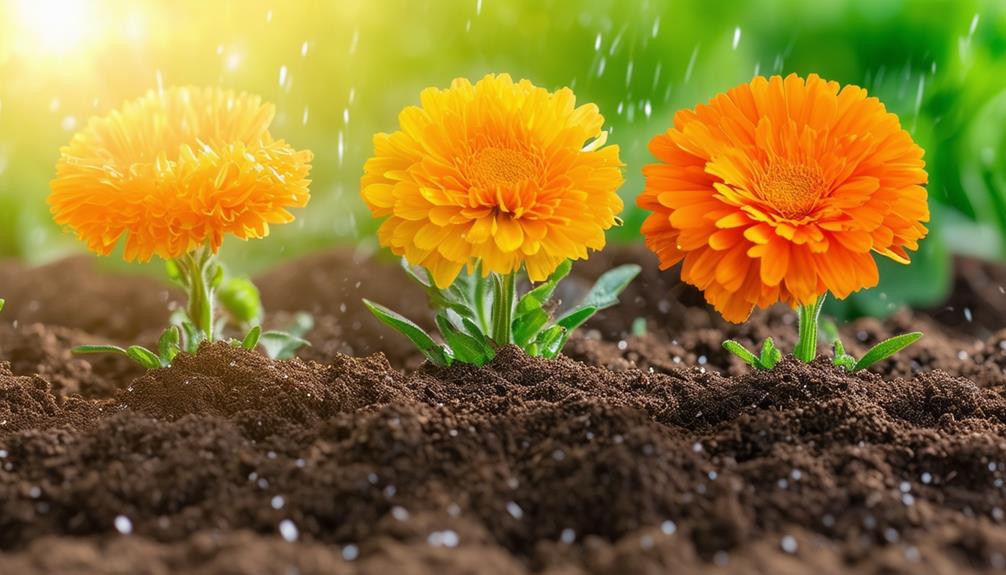
To cultivate Calendula from seed, opt for Calendula officinalis known for its vibrant orange flowers and medicinal properties. Obtain high-quality seeds from reputable sources and plant them in well-draining soil under full sun or partial shade. Ensure the soil pH ranges from 6-7 and amend it with compost for optimal growth.
Maintain regular watering, adequate sunlight, and suitable temperatures. Combat pests through companion planting and attentive care. Harvest the blooms when fully open, dry them, and store in a cool, dark location.
To succeed, prioritize proper moisture, sunlight exposure, and vigilance against pests and diseases. Embrace the journey with Calendula for its beauty and abundant blooms.
Key Takeaways
- Opt for Calendula officinalis seeds for vibrant flowers and their therapeutic properties.
- Sow the seeds directly in well-drained, sunny soil with appropriate spacing.
- Maintain the soil pH levels, incorporate organic matter, and refrain from excessive fertilization.
- Water consistently, ensure ample sunlight, and monitor for any signs of pests or diseases.
- Harvest the blooms once fully blossomed, dry the flowers, and store them in a cool, dark location.
| Characteristic | Description |
|---|---|
| Flower | Bright yellow or orange daisy-like flowers with single or double blooms |
| Leaves | Simple, green leaves, sometimes with slightly toothed edges, growing alternately along the stems |
| Stems | Waxy, smooth, or glandular, usually reaching 1-2 feet tall |
| Height | Typically grows 1-2 feet tall and 1-2 feet wide |
| Habit | Annual or perennial depending on the variety |
| Sunlight | Prefers full sun but can tolerate some partial shade |
| Soil | Thrives in well-drained, slightly fertile soil |
| Temperature | Tolerates cool weather well, even light frosts |
| Blooming | Continuous bloomer from early spring until frost with proper deadheading |
| Ease of Care | Relatively easy to grow and low-maintenance |
| Edible | Both flowers and leaves are edible and can be added to salads, soups, or stews for a mild, slightly bitter flavor |
| Medicinal Properties | Traditionally used for wound healing, inflammation relief, and other potential health benefits (consult a healthcare professional before using medicinally) |
| Companion Planting | Attracts beneficial insects like butterflies and bees while deterring some pests |
| Versatility | Used in ornamental gardens, culinary dishes, and potentially for some medicinal purposes |
Benefits of Growing Calendula
Growing Calendula from seeds is a rewarding experience that offers a multitude of benefits, making it a valuable asset to your garden. Starting with calendula seeds allows you to observe the entire growth cycle of these exquisite plants, from planting the small seeds to admiring the vibrant blossoms they produce. Calendula plants are renowned for their resilience and adaptability to various environments, making them an excellent choice for gardeners of all levels.
Sowing calendula seeds gives you the opportunity to nurture them into robust plants that will delight you with an array of colorful blooms. These blossoms not only enhance the beauty of your garden but also attract beneficial pollinators such as bees and butterflies, promoting a thriving ecosystem. Moreover, calendula flowers have practical uses beyond their visual appeal, as they're commonly utilized in beauty products and herbal remedies for their anti-inflammatory and antiseptic properties.
Choosing the Right Seeds
To ensure the success of your Calendula garden, start by carefully selecting the appropriate seeds that align with your preferred bloom color and specific characteristics. When picking Calendula seeds, here are some key points to consider:
-
Calendula officinalis seeds: Choose Calendula officinalis seeds for the classic bright orange blooms and their renowned medicinal properties.
-
Varieties with unique traits: Explore Calendula seed variations with distinct features like double blooms or high resin content to introduce diversity and intrigue to your garden.
-
Seeds with high germination rates: Opt for seeds from reputable suppliers known for their quality and high germination rates to boost the chances of successful sprouting and robust plant growth.
Additionally, prioritizing organic seeds can support sustainable gardening practices as they're free from synthetic chemicals, ensuring an eco-friendly cultivation process. By selecting the right seeds based on these criteria, you can establish a solid foundation for a lively and flourishing Calendula garden.
Preparing the Soil
Before planting Calendula seeds, it's crucial to check the soil pH, aiming for a range of 6-7, as Calendula plants thrive in slightly acidic to neutral soil. Enhance soil quality by adding organic matter such as compost or well-rotted manure, which boosts nutrient content and helps maintain soil moisture.
Proper drainage is vital to prevent waterlogging and root rot. Ensure the soil has good drainage to allow excess water to escape from the roots. Loosening the soil to a depth of 6-8 inches promotes healthy root growth and aids young Calendula plants in establishing themselves securely.
Avoid over-fertilizing the soil as Calendula prefers moderately nutrient-rich conditions to avoid leggy growth. Follow a balanced fertilization schedule for optimal plant development. By following these soil preparation steps, you create an ideal environment for Calendula seeds to grow into vibrant, thriving plants.
Planting Calendula Seeds
When planting Calendula seeds, select a sunny location with well-draining soil for optimal growth. Follow these key steps for sowing your Calendula seeds:
-
Sow Calendula Seeds: Plant Calendula seeds directly in the garden after the spring frost has passed. Ensure the soil is well-drained to prevent waterlogging, which can harm the seeds.
-
Sunlight Requirements: Calendula thrives in full sun to partial shade. Choose a spot that receives at least 6-8 hours of sunlight daily for the best growth and vibrant blooms.
-
Direct Sowing: For best results, sow the Calendula seeds directly where you want them to grow. Space the seeds approximately 5 inches apart in rows along the garden edges to allow ample room for plant development without overcrowding.
Providing Adequate Water and Light
C:\Users\elias\OneDrive\Documents\Gardening Fire\Articles\Growing_Calendula_From_Seed_0001.jpg
When planting Calendula seeds, it is crucial to provide consistent moisture for germination and ample sunlight to support optimal growth and blooming. Calendula seeds require regular watering to sprout, but avoid waterlogging the soil. Finding the right balance is key to keeping the soil moist without saturating it. These plants thrive with at least 6-8 hours of sunshine daily, as full sun exposure encourages sturdy stem development and vibrant flower production. While Calendula can tolerate partial shade, it may result in fewer blooms.
To emphasize the significance of watering and sunlight for your Calendula plants, refer to the table below:
| Needs | Watering |
|---|---|
| Requirement | Regular, avoid waterlogging |
| Impact on Calendula | Vital for germination |
| Tips | Water the soil around the base |
| Needs | Sunlight |
|---|---|
| Requirement | 6-8 hours daily |
| Impact on Calendula | Promotes growth and blooming |
| Tips | Position in a sunny location |
Ensuring your Calendula plants receive adequate water and sunlight is essential for their overall health and successful blooming. By maintaining proper care in watering and light exposure, you can nurture vibrant and thriving Calendula plants.
Managing Pests and Diseases
To effectively manage pests and diseases affecting your Calendula plants, consider companion planting with tomatoes and potatoes. These companions release natural repellents that deter common pests like aphids and whiteflies, creating a mutually beneficial environment in your garden.
Additionally, follow these practices for maintaining healthy Calendula plants:
-
Use a strong stream of water or insecticidal soap: Regularly spraying your Calendula plants with a forceful stream of water or applying insecticidal soap can effectively control whiteflies and aphids without harsh chemicals.
-
Enhance air circulation and watering techniques: To prevent powdery mildew, a fungal disease that impacts Calendula plants, ensure proper air circulation by spacing plants adequately and watering at the base to keep foliage dry.
-
Manage weeds through cultivation or mulching: Weeds may compete with Calendula for nutrients and water, weakening their growth. Remove weeds regularly through cultivation or mulch application to reduce competition and support the health of your Calendula plants.
Harvesting Calendula Flowers
To effectively harvest Calendula flowers, use clean, sharp scissors to cut the blooms just above the leaves in the morning when they're fully open for maximum potency. This timing ensures you capture the flowers at their peak medicinal strength. Calendula flowers can be harvested multiple times throughout the season, so don't hesitate to pick them frequently. Once you have gathered the blooms, it's essential to dry them properly to preserve their color and beneficial properties for future use.
To dry the harvested calendula flowers, place them in a well-ventilated area away from direct sunlight. Ensure they're spread out in a single layer to allow for adequate air circulation. Once the flowers are completely dry, store them in a sealed container. To maintain the quality of dried calendula flowers over time, opt for a cool, dark storage location.
Tips for Successful Calendula Growth
To ensure successful Calendula growth, it's essential to maintain the proper soil temperature and spacing. Follow these guidelines for vibrant blooms and healthy plants:
-
Direct Sowing: Plant Calendula seeds directly in the garden after the last frost date. This method provides the necessary natural conditions for successful germination.
-
Staggered Plantings: Consider planting Calendula seeds in intervals of 2-3 weeks to prolong the flowering season. This approach guarantees a continuous supply of beautiful blooms throughout the growing period.
-
Optimal Seed Germination: To promote ideal seed germination, maintain a soil temperature of 70-75°F (21-24°C). Plant the seeds about 5mm (¼ inch) deep and ensure consistent moisture levels to support healthy seedling growth.
Frequently Asked Questions
How Long Does It Take to Grow Calendula From Seed?
Growing Calendula from seed is a process that requires patience. Germination indoors can take 6-14 days, while sowing directly may take 7-14 days. Transplanting should be done after 4-6 weeks, and you can expect flowers to appear in 8-10 weeks, with full blooms emerging in 12-14 weeks.
Does Calendula Come Back Every Year?
Calendula is typically grown as an annual plant, requiring replanting each year, especially in colder climates. Although in warmer regions it may behave as a short-lived perennial, it is predominantly cultivated as an annual due to its unreliable return in subsequent years.
Does Calendula Like Sun or Shade?
Contrary to popular belief, Calendula thrives in sunlight rather than shade. This vibrant flower depends on sunlight for strong growth and bright blooms. Embrace its love for the sun and watch it flourish!
Should I Soak Calendula Seeds Before Planting?
Calendula seeds do not require soaking before planting due to their hard seed coat, which promotes quick germination without the need for soaking. To ensure successful growth, focus on proper planting depth and soil conditions. By skipping the soaking step, you can achieve the best results in cultivating Calendula plants.
Conclusion
Having mastered the art of growing Calendula from seed, you may be interested to know that Calendula flowers have a rich history in traditional medicine for their healing properties.
Research indicates that Calendula extracts possess anti-inflammatory and antimicrobial properties, making them a valuable addition to your herbal medicine collection.
Beyond the visual delight of Calendula blooms, you also have a natural remedy easily accessible.
Happy gardening and healing!
Search
Categories
Recent Posts
Follow US
https://sites.google.com/view/gardeningfire
https://www.youtube.com/@Gardening-Fire
https://twitter.com/gardeningfire
https://www.instagram.com/gardeningfire/
https://www.facebook.com/GardeningFire/
https://www.tumblr.com/gardeningfire
https://gardeningfire.blogspot.com/
https://gardeningfire.wordpress.com/
https://www.pinterest.com/gardeningfire/
https://soundcloud.com/gardeningfire/